Human Body Organ Functions: A Complete Guide to How Human Organs Work
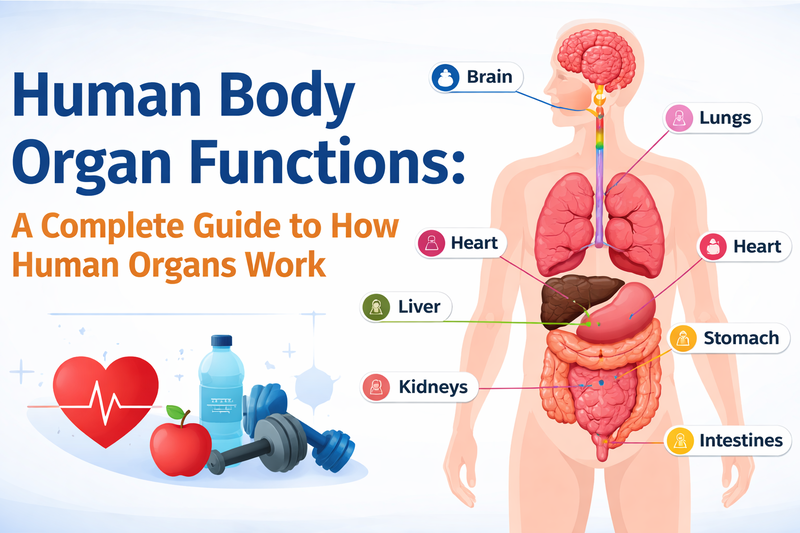
Human Body Organ Functions: A Complete Guide to How Human Organs Work
Meta Description
Learn about human body organ functions, including the brain, heart, lungs, liver, kidneys, and digestive organs. Discover how each organ works to keep the human body alive and healthy.
Keywords
Human body organ functions, organs of the human body, human anatomy organs, major organs and their functions, human body systems
Introduction
The human body is a complex and fascinating biological system made up of billions of cells working together. These cells form tissues, tissues form organs, and organs work together in systems that perform essential life processes. Every organ in the human body has a specific function that helps maintain health and survival.
Human organs work continuously to regulate breathing, blood circulation, digestion, waste removal, and many other processes. Without these organs functioning properly, the body cannot survive.
Understanding human body organ functions helps us appreciate the complexity of the human body and the importance of maintaining good health.
In this article, we will explore the major organs of the human body, their functions, and how they work together to support life.
What Are Organs in the Human Body?
An organ is a group of tissues that work together to perform a specific function. The human body contains many organs, each responsible for different biological processes.
Some organs are vital for survival, such as the brain, heart, lungs, liver, and kidneys. These organs perform essential functions that keep the body alive.
Organs are organized into systems that work together to perform complex tasks. These systems include the nervous system, circulatory system, digestive system, respiratory system, urinary system, and endocrine system.
The Brain: The Control Center of the Body
The brain is the most important organ of the nervous system. It controls all body functions, including movement, thinking, emotions, and vital processes such as breathing and heart rate.
The brain weighs about 1.4 kilograms and contains billions of nerve cells called neurons.
Functions of the Brain
The brain performs several important functions, including:
Controlling body movement
Processing sensory information
Regulating emotions
Storing memories
Controlling breathing and heartbeat
Supporting learning and decision making
The brain is divided into three main parts:
Cerebrum
Responsible for thinking, memory, intelligence, and voluntary movements.
Cerebellum
Controls balance, coordination, and posture.
Brainstem
Regulates vital functions such as breathing, heart rate, and blood pressure.
The Heart: The Body's Pump
The heart is a powerful muscular organ located in the chest. It is responsible for pumping blood throughout the body.
Blood carries oxygen and nutrients to cells and removes waste products such as carbon dioxide.
Functions of the Heart
The heart performs several important functions:
Pumps oxygen-rich blood to the body
Sends oxygen-poor blood to the lungs
Maintains blood circulation
Helps regulate blood pressure
The heart beats about 100,000 times per day and pumps thousands of liters of blood daily.
The Lungs: Organs of Breathing
The lungs are the primary organs of the respiratory system. They allow the body to take in oxygen and remove carbon dioxide.
When we breathe in, oxygen enters the lungs and passes into the bloodstream. When we breathe out, carbon dioxide leaves the body.
Functions of the Lungs
The lungs perform the following functions:
Supply oxygen to the blood
Remove carbon dioxide
Help regulate blood pH levels
Support speech and breathing
The lungs contain millions of tiny air sacs called alveoli, which allow gas exchange to occur.
The Liver: The Body's Chemical Processing Center
The liver is the largest internal organ in the human body. It performs hundreds of functions that support metabolism, detoxification, and digestion.
Functions of the Liver
Some of the most important liver functions include:
Detoxifying harmful chemicals
Producing bile for digestion
Storing vitamins and minerals
Regulating blood sugar levels
Producing proteins for blood clotting
The liver has an incredible ability to regenerate itself after injury.
The Kidneys: Blood Filters of the Body
The kidneys are two bean-shaped organs located in the lower back. Their main function is to filter waste products from the blood and produce urine.
Functions of the Kidneys
The kidneys perform several vital functions:
Removing waste from the blood
Maintaining water balance
Regulating electrolytes
Controlling blood pressure
Producing hormones
Each day, the kidneys filter around 180 liters of blood.
The Stomach: Digesting Food
The stomach is an important organ in the digestive system. It breaks down food using strong acids and digestive enzymes.
Food enters the stomach from the esophagus and is mixed with gastric juices to form a semi-liquid substance called chyme.
Functions of the Stomach
Breaking down food
Killing harmful bacteria
Preparing nutrients for absorption
Mixing food with digestive enzymes
The Small Intestine: Nutrient Absorption
The small intestine is where most digestion and nutrient absorption occur.
It is about 6 meters long and contains millions of tiny structures called villi that absorb nutrients into the bloodstream.
Functions of the Small Intestine
Digesting carbohydrates, proteins, and fats
Absorbing vitamins and minerals
Transporting nutrients to the bloodstream
The Large Intestine: Waste Processing
The large intestine absorbs water from digested food and forms solid waste.
Functions of the Large Intestine
Absorbing water
Producing vitamins through gut bacteria
Storing waste before elimination
The Skin: The Largest Organ
The skin is the largest organ of the human body and serves as the body's protective barrier.
Functions of the Skin
Protecting against infection
Regulating body temperature
Providing sensation
Producing vitamin D
Preventing dehydration
The skin is made up of three layers: epidermis, dermis, and hypodermis.
The Pancreas: Regulating Blood Sugar
The pancreas plays a key role in both digestion and hormone production.
Functions of the Pancreas
Producing digestive enzymes
Releasing insulin
Regulating blood sugar levels
The Spleen: Supporting the Immune System
The spleen helps the body fight infections and filter blood.
Functions of the Spleen
Removing old blood cells
Fighting infections
Supporting immune responses
The Gallbladder: Assisting Digestion
The gallbladder stores bile produced by the liver.
Bile helps break down fats during digestion.
The Bladder: Urine Storage
The bladder stores urine until it is released from the body.
It works with the kidneys and ureters to remove waste fluids.
How Body Organs Work Together
Organs do not function independently. Instead, they work together within systems.
Examples include:
Digestive System
Stomach, liver, pancreas, intestines
Respiratory System
Lungs, trachea
Circulatory System
Heart and blood vessels
Nervous System
Brain, spinal cord, nerves
Urinary System
Kidneys and bladder
Each system contributes to maintaining balance in the body.
How to Keep Your Organs Healthy
Maintaining healthy organs requires good lifestyle habits.
Some important steps include:
Eating a balanced diet
Drinking plenty of water
Exercising regularly
Getting enough sleep
Avoiding smoking
Limiting alcohol
Managing stress
Healthy habits help organs function properly and reduce the risk of disease.
Frequently Asked Questions (FAQ)
What are the main organs of the human body?
The main organs include the brain, heart, lungs, liver, kidneys, stomach, intestines, pancreas, and skin.
Which organ is the most important?
The brain is considered the most important because it controls all body functions.
How many organs are in the human body?
The human body has about 78 organs, though the number can vary depending on classification.
Which organ is the largest?
The skin is the largest organ in the human body.
Which organ filters blood?
The kidneys filter waste from the blood.
Conclusion
The human body is a remarkable system made up of many organs working together to support life. Each organ has a unique role, but all organs depend on one another to maintain balance and proper functioning.
From the brain controlling thoughts and movements to the heart pumping blood and the lungs providing oxygen, every organ plays a vital role in keeping the body alive.
Understanding human body organ functions helps us appreciate how incredible our bodies are and why maintaining good health is so important.
By following healthy habits and taking care of our bodies, we can support the proper functioning of our organs and enjoy a healthier life.
Comments
No comments yet. Be the first to comment!