Human Body System Interaction: A Complete Guide to How Your Body Systems Work Together
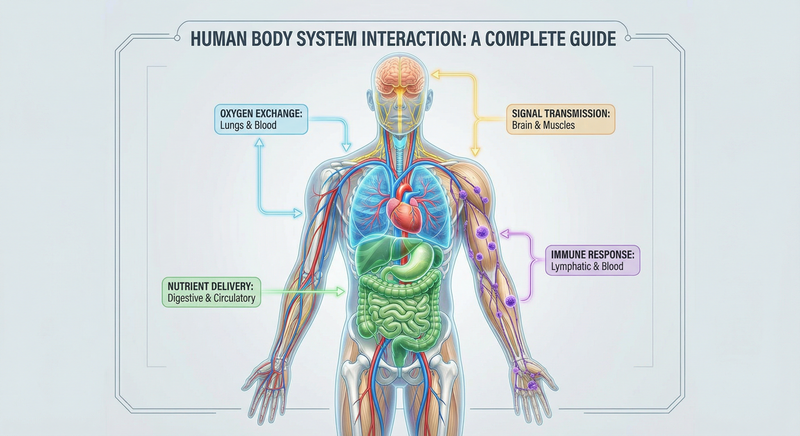
Human Body System Interaction: A Complete Guide to How Your Body Systems Work Together
The human body is a remarkable biological machine consisting of multiple interconnected systems working in perfect harmony. Understanding human body system interaction is essential for anyone interested in health, medicine, or biology. This comprehensive guide explores how different body systems communicate, coordinate, and collaborate to maintain life and optimal health.
Table of Contents
Introduction to Human Body Systems
Overview of the 11 Major Body Systems
How Body Systems Interact and Communicate
Key System Interactions Explained
The Role of Homeostasis
Common Disorders Affecting System Interactions
Maintaining Healthy System Interactions
Conclusion
Introduction to Human Body Systems
The human body is composed of trillions of cells organized into tissues, organs, and organ systems. Each system has specific functions, but none operates in isolation. The interaction between body systems is what keeps us alive, allows us to move, think, digest food, fight infections, and perform countless other functions every second of our lives.
Human body system interaction refers to the coordinated communication and cooperation between different organ systems to maintain overall body function. This interaction is fundamental to understanding human physiology and is crucial for medical professionals, students, and anyone seeking to improve their health.
When we eat food, for example, it's not just the digestive system at work. The nervous system signals hunger, the muscular system helps chew and swallow, the circulatory system transports nutrients, and the endocrine system regulates metabolism. This beautiful symphony of interactions demonstrates the incredible complexity and efficiency of human biology.
Overview of the 11 Major Body Systems
Before diving into interactions, let's understand each system individually:
1. Skeletal System
The skeletal system consists of 206 bones in adults, along with cartilage, ligaments, and tendons. Its primary functions include:
Providing structural support and shape
Protecting vital organs
Enabling movement through joints
Producing blood cells in bone marrow
Storing minerals like calcium and phosphorus
2. Muscular System
The muscular system contains over 600 muscles divided into three types:
Skeletal muscles: Voluntary movement
Smooth muscles: Involuntary functions in organs
Cardiac muscle: Heart contractions
This system enables movement, maintains posture, generates heat, and assists in circulation.
3. Nervous System
The nervous system is the body's control center, consisting of:
Central Nervous System (CNS): Brain and spinal cord
Peripheral Nervous System (PNS): Nerves throughout the body
It controls thoughts, emotions, movements, and automatic functions like breathing and heart rate.
4. Endocrine System
The endocrine system consists of glands that produce hormones:
Pituitary gland
Thyroid gland
Adrenal glands
Pancreas
Reproductive glands
These hormones regulate growth, metabolism, reproduction, and mood.
5. Cardiovascular System
Also known as the circulatory system, it includes:
Heart
Blood vessels (arteries, veins, capillaries)
Blood
It transports oxygen, nutrients, hormones, and waste products throughout the body.
6. Respiratory System
The respiratory system handles gas exchange:
Nose and nasal cavity
Pharynx and larynx
Trachea
Bronchi and bronchioles
Lungs and alveoli
It brings oxygen into the body and removes carbon dioxide.
7. Digestive System
The digestive system breaks down food for energy:
Mouth, esophagus, stomach
Small and large intestines
Liver, gallbladder, pancreas
It converts food into nutrients that can be absorbed and used by cells.
8. Urinary System
The urinary system filters blood and removes waste:
Kidneys
Ureters
Bladder
Urethra
It maintains fluid balance and eliminates toxins through urine.
9. Immune System
The immune system defends against pathogens:
White blood cells
Lymph nodes
Spleen
Thymus
Bone marrow
It identifies and destroys foreign invaders and abnormal cells.
10. Integumentary System
The integumentary system is the body's outer covering:
Skin
Hair
Nails
Sweat and oil glands
It protects against environmental damage, regulates temperature, and provides sensory information.
11. Reproductive System
The reproductive system enables procreation:
Male: Testes, penis, prostate
Female: Ovaries, uterus, vagina
It produces hormones and gametes for reproduction.
How Body Systems Interact and Communicate
Body systems interact through several mechanisms:
Chemical Communication
Hormones are chemical messengers produced by the endocrine system that travel through the bloodstream to target organs. For example:
Insulin from the pancreas affects muscle and fat cells
Thyroid hormones influence metabolism throughout the body
Adrenaline prepares multiple systems for "fight or flight"
Electrical Communication
The nervous system uses electrical impulses called action potentials to send rapid signals. This allows for quick responses like:
Reflexes
Voluntary movement
Sensory perception
Organ regulation
Direct Physical Connection
Some systems interact through direct physical contact:
Muscles attach to bones via tendons
Blood vessels penetrate organs for nutrient delivery
Nerves innervate muscles for movement control
Shared Resources
All systems share common resources:
Oxygen from the respiratory system
Nutrients from the digestive system
Blood from the cardiovascular system
This resource sharing creates interdependence among all systems.
Key System Interactions Explained
Nervous System and Muscular System Interaction
The neuromuscular interaction is essential for all voluntary and many involuntary movements. Here's how it works:
The brain initiates a movement command
Electrical signals travel down motor neurons
At the neuromuscular junction, acetylcholine is released
Muscle fibers receive the signal and contract
The skeletal system moves accordingly
This interaction allows us to walk, talk, write, and perform countless daily activities. Disorders affecting this interaction include:
Myasthenia gravis
Multiple sclerosis
Amyotrophic lateral sclerosis (ALS)
Cardiovascular and Respiratory System Interaction
These two systems work together for gas exchange:
The respiratory system brings oxygen into the lungs
Oxygen diffuses into blood in the alveoli
The cardiovascular system pumps oxygenated blood throughout the body
Cells use oxygen and produce carbon dioxide
Deoxygenated blood returns to the lungs
Carbon dioxide is exhaled
This cardiopulmonary interaction is so integrated that doctors often refer to it as a single "cardiorespiratory system." Exercise demonstrates this interaction clearly—when muscles need more oxygen, both heart rate and breathing rate increase.
Digestive and Cardiovascular System Interaction
After eating, the digestive and cardiovascular systems collaborate:
The digestive system breaks down food into nutrients
Nutrients are absorbed through intestinal walls
Blood vessels in the intestinal lining pick up nutrients
The cardiovascular system transports nutrients to all cells
The liver processes nutrients before general circulation
This interaction explains why blood flow to the digestive system increases after meals, sometimes causing drowsiness as blood is redirected from the brain.
Endocrine and Nervous System Interaction
The neuroendocrine interaction represents one of the most important partnerships in the body:
The hypothalamus serves as the bridge between systems
It receives nervous signals and produces hormones
The pituitary gland responds to hypothalamic signals
Together they regulate stress, growth, reproduction, and metabolism
This interaction is exemplified in the stress response:
The nervous system detects a threat
The hypothalamus activates the pituitary gland
The pituitary releases ACTH
Adrenal glands produce cortisol and adrenaline
Multiple systems respond to prepare for action
Skeletal and Muscular System Interaction
The musculoskeletal interaction enables movement:
Bones provide attachment points for muscles
Joints allow bones to move in relation to each other
Muscles pull on bones to create movement
Ligaments stabilize joints
Tendons connect muscles to bones
This system interaction is often studied as a single unit called the musculoskeletal system due to their inseparable functions.
Immune and Circulatory System Interaction
The immune system relies heavily on circulation:
White blood cells are produced in bone marrow
They enter the bloodstream for transportation
They patrol the body through blood vessels
When infection is detected, more immune cells are deployed
Inflammation increases blood flow to affected areas
The lymphatic system, part of both immune and circulatory systems, returns fluids to blood and filters pathogens.
Integumentary and Nervous System Interaction
The skin contains millions of nerve endings that:
Detect temperature changes
Sense pressure and pain
Trigger reflexes (pulling away from heat)
Send information to the brain for processing
This interaction protects us from injury and helps us interact with our environment.
Urinary and Cardiovascular System Interaction
The kidneys and circulatory system work together for blood filtration:
Blood flows through kidney nephrons
Waste products are filtered out
Water and electrolyte balance is regulated
Blood pressure is influenced by fluid volume
Clean blood returns to circulation
The kidneys also produce erythropoietin, a hormone that stimulates red blood cell production, showing interaction with the endocrine system as well.
Endocrine and Reproductive System Interaction
Reproduction depends heavily on hormonal regulation:
FSH and LH from the pituitary control reproductive organs
Estrogen and progesterone regulate the menstrual cycle
Testosterone controls male reproductive functions
Pregnancy involves complex hormonal changes affecting multiple systems
Respiratory and Nervous System Interaction
Breathing involves both voluntary and involuntary control:
The medulla oblongata controls automatic breathing
We can voluntarily hold our breath or breathe faster
Chemoreceptors detect blood oxygen and carbon dioxide levels
The nervous system adjusts breathing rate accordingly
Digestive and Nervous System Interaction
The enteric nervous system is often called the "second brain":
It contains millions of neurons in the gut
It controls digestion independently but coordinates with the CNS
The vagus nerve connects the brain to digestive organs
Emotions affect digestion (stress can cause stomach upset)
The Role of Homeostasis in System Interactions
Homeostasis is the body's ability to maintain stable internal conditions despite external changes. All system interactions ultimately serve homeostatic functions.
Key Homeostatic Processes
Temperature Regulation
Multiple systems work together to maintain body temperature around 37°C (98.6°F):
Nervous system: Detects temperature changes
Integumentary system: Sweats or gets goosebumps
Muscular system: Shivers to generate heat
Cardiovascular system: Adjusts blood flow to skin
Endocrine system: Regulates metabolism rate
Blood Sugar Regulation
Glucose levels are carefully controlled:
Digestive system: Absorbs glucose from food
Endocrine system: Pancreas produces insulin or glucagon
Cardiovascular system: Transports glucose and hormones
Muscular system: Uses glucose for energy
Nervous system: Can stimulate glucose release during stress
Blood Pressure Regulation
Blood pressure homeostasis involves:
Cardiovascular system: Heart pumping and vessel diameter
Nervous system: Baroreceptors detect pressure changes
Urinary system: Kidneys regulate fluid volume
Endocrine system: Hormones like ADH and aldosterone
pH Balance
Blood pH must remain between 7.35 and 7.45:
Respiratory system: Adjusts CO2 levels through breathing
Urinary system: Kidneys excrete or retain acids/bases
Circulatory system: Buffer systems in blood
Feedback Mechanisms
System interactions use feedback loops:
Negative Feedback: Most common, reverses changes
Example: High blood sugar triggers insulin release, which lowers blood sugar
Positive Feedback: Amplifies changes (rare)
Example: Childbirth contractions intensify until delivery
Common Disorders Affecting System Interactions
When system interactions break down, disease occurs:
Diabetes Mellitus
This endocrine disorder affects multiple systems:
Endocrine: Insufficient insulin production or response
Cardiovascular: Increased risk of heart disease
Nervous: Nerve damage (neuropathy)
Urinary: Kidney damage (nephropathy)
Integumentary: Poor wound healing
Immune: Increased infection risk
Heart Failure
Cardiovascular dysfunction impacts:
Respiratory: Fluid accumulation in lungs
Urinary: Reduced kidney function
Muscular: Fatigue and weakness
Digestive: Poor nutrient absorption
Nervous: Reduced oxygen to brain
Autoimmune Diseases
When the immune system attacks healthy tissue:
Rheumatoid arthritis: Affects joints (skeletal system)
Multiple sclerosis: Affects nerves (nervous system)
Type 1 diabetes: Affects pancreas (endocrine system)
Lupus: Affects multiple systems
Hormonal Imbalances
Endocrine disorders affect all systems:
Hypothyroidism: Slows metabolism, affects energy levels
Hyperthyroidism: Accelerates metabolism, affects heart rate
Adrenal insufficiency: Affects stress response and energy
Neurological Disorders
Nervous system problems impact body-wide interactions:
Parkinson's disease: Affects movement
Alzheimer's disease: Affects cognition and eventually all functions
Stroke: Can affect multiple systems depending on location
Maintaining Healthy System Interactions
Optimal health requires supporting all system interactions:
Nutrition
Proper nutrition supports every system:
Proteins: Build and repair tissues
Carbohydrates: Provide energy
Fats: Support cell membranes and hormones
Vitamins and minerals: Enable chemical reactions
Water: Essential for all functions
Key nutritional tips:
Eat a balanced diet with fruits and vegetables
Consume adequate protein for muscle health
Include omega-3 fatty acids for brain and heart health
Stay hydrated for kidney and circulatory function
Exercise
Physical activity benefits all systems:
Cardiovascular: Strengthens heart, improves circulation
Respiratory: Increases lung capacity
Muscular: Builds strength and endurance
Skeletal: Increases bone density
Nervous: Improves mood and cognitive function
Endocrine: Regulates hormones and metabolism
Immune: Boosts immune function
Exercise recommendations:
150 minutes of moderate aerobic activity weekly
Strength training twice per week
Flexibility and balance exercises
Sleep
Sleep is essential for system restoration:
Nervous system: Memory consolidation and repair
Endocrine system: Growth hormone release
Immune system: Cell regeneration and antibody production
Cardiovascular system: Blood pressure regulation
Sleep tips:
Aim for 7-9 hours nightly
Maintain consistent sleep schedules
Create a restful environment
Stress Management
Chronic stress disrupts system interactions:
Elevates cortisol levels
Suppresses immune function
Increases cardiovascular risk
Disrupts digestive function
Stress reduction techniques:
Meditation and mindfulness
Regular exercise
Social connections
Adequate rest
Avoiding Harmful Substances
Certain substances damage system interactions:
Tobacco: Harms respiratory, cardiovascular, and immune systems
Excessive alcohol: Damages liver, brain, and digestive system
Drug abuse: Affects nervous system and overall function
Regular Medical Checkups
Preventive care helps detect problems early:
Blood pressure monitoring
Blood sugar testing
Cholesterol screening
Cancer screenings
Immunizations
Advanced Concepts in System Interaction
The Microbiome Connection
Recent research reveals the gut microbiome's role in system interactions:
Digestive bacteria influence immune function
Gut-brain axis affects mood and cognition
Microbiome affects metabolism and weight
Probiotics can support multiple systems
Epigenetics and System Interaction
Epigenetics shows how environment affects gene expression:
Diet can turn genes on or off
Stress affects genetic expression
Exercise influences genetic activity
These changes affect system interactions
Systems Biology Approach
Modern medicine increasingly uses systems biology:
Views the body as an integrated whole
Studies interactions rather than isolated parts
Uses computational models to understand complexity
Develops treatments targeting multiple systems
The Future of Understanding Body System Interactions
Medical science continues advancing our understanding:
Personalized Medicine
Future treatments will consider individual variations in system interactions:
Genetic testing for drug responses
Personalized nutrition based on metabolism
Tailored exercise programs
Artificial Organs and Interfaces
Technology is creating new possibilities:
Artificial pancreas for diabetes management
Brain-computer interfaces for paralysis
Lab-grown organs for transplantation
Regenerative Medicine
Stem cell research may restore damaged system interactions:
Regenerating nerve tissue
Growing new organs
Repairing damaged tissues
Frequently Asked Questions About Human Body System Interaction
Q: Which body systems interact most closely?
A: The nervous and endocrine systems interact most extensively, together controlling virtually all body functions. The cardiovascular system also interacts with all other systems by transporting blood throughout the body.
Q: How do body systems communicate?
A: Body systems communicate through chemical signals (hormones, neurotransmitters), electrical signals (nerve impulses), and physical connections (blood vessels, nerves penetrating tissues).
Q: What happens when body systems don't interact properly?
A: When system interactions fail, disease occurs. Examples include diabetes (endocrine-metabolic interaction failure), heart failure (cardiovascular-respiratory interaction problems), and autoimmune diseases (immune system dysfunction).
Q: Can lifestyle affect body system interactions?
A: Yes, lifestyle significantly affects system interactions. Exercise, nutrition, sleep, and stress management all influence how effectively body systems work together.
Q: How does aging affect system interactions?
A: Aging typically slows and weakens system interactions. Hormone levels change, nerve signaling slows, and organ function decreases, affecting overall coordination between systems.
Conclusion
Human body system interaction is a fascinating and complex topic that underlies all aspects of health and disease. The eleven major body systems—skeletal, muscular, nervous, endocrine, cardiovascular, respiratory, digestive, urinary, immune, integumentary, and reproductive—work together in an intricate dance of chemical and electrical signals.
Understanding these interactions helps us appreciate:
Why lifestyle factors affect overall health
How diseases impact multiple body systems
Why holistic approaches to health are important
How medical treatments work
From the nervous system's rapid electrical signals to the endocrine system's slower hormonal messages, from the cardiovascular system's constant circulation to the immune system's vigilant protection, every system depends on others for optimal function.
Maintaining healthy system interactions requires:
Balanced nutrition
Regular physical activity
Adequate sleep
Stress management
Avoiding harmful substances
Regular medical care
As medical science advances, our understanding of body system interactions deepens. This knowledge leads to better treatments, more effective prevention strategies, and ultimately, improved health outcomes for everyone.
The human body truly is greater than the sum of its parts. Each system, while remarkable on its own, achieves its full potential only through interaction with others. This interconnectedness is what makes human physiology so wonderfully complex and is why studying human body system interaction remains one of the most important and rewarding fields in biological science.
This comprehensive guide to human body system interaction provides essential information for students, healthcare professionals, and anyone interested in understanding how the human body works as an integrated whole. For specific medical concerns, always consult qualified healthcare providers.
Comments
No comments yet. Be the first to comment!